A mountain village perched at 1,250 metres in the Jbeil highlands -where ancient Phoenician roots, Roman roads, and cedar forests meet centuries of living faith.
Qartaba is the second most populous town in the Jbeil District, set in the high ranges of Mount Lebanon above Byblos -one of the world's oldest continuously inhabited cities.
Its name descends from Semitic roots: Qar (settlement) and Taba (good) -a name earned by the town's famously agreeable, healing, and balanced climate. Summers draw visitors from across Lebanon and the diaspora; winters see the village quiet beneath snow.
Predominantly Maronite Catholic, Qartaba holds 15 churches, one of Lebanon's most significant monasteries, and an archaeological record stretching back to Phoenician and Roman times. It sits 57 kilometres north of Beirut.
21 photographs from Wikimedia Commons -landscapes, sacred sites, historic streets, and seasonal life in Qartaba.
All photos via Wikimedia Commons · Free licence
Click any event to expand the detail. From Phoenician grapevines to Roman roads, from Ottoman silk to apple orchards.
Grapevines cultivated on the mountain slopes. Archaeological evidence at the Saint-Élie Church in Hsaiya suggests a Phoenician-era sacred site beneath its foundations.
A sculptured column facade depicting the family of Abd al-Latus, Meli, Cassia, and Germanus is carved. Discovered 1940; now at the Beirut National Museum. Hadrianic inscriptions found throughout surrounding valleys.
The eastern branch of Rome's road network passes through Qartaba's Botrayich region, connecting coastal Byblos to the Temple of Bacchus at Baalbek.
Built 1536, reconstructed 1718, elevated to monastery status 1823. Housed Lebanon's third-largest monk population. Its bell (1820) is the oldest surviving church bell in Lebanon.
Qartaba formally constitutes its municipal government, gaining administrative independence as a recognised township in the Jbeil District.
Seven silk filature factories operate by 1918, employing ~500 workers. Thread exported directly to Lyon, France -Qartaba a node in global textile trade.
As silk markets collapse, farmers plant apples. Today 250,000+ trees blanket the terraces -a transformation that redefined the village's identity and economy.
A 65,000 m² cultural complex opens with basketball courts, a football pitch, and a 4,000-seat open-air stage -the anchor of community sports and summer festivals.
The Beir El Heet–Qartaba road opens (7.6 km, named after the Mayyas dance group), replacing the former "death road." Dr. Farès Souhaid wins the parliamentary seat with 36.47%.
Qartaba sits on terraced ridges in the Jbeil highlands. Seventy percent of the commune is forested with oak, sycamore, wild mulberry, and rare Lebanese pine.
Hover each bar for details. Peak precipitation January–March; summers near-arid.
Summer highs 33 °C; January highs ~11 °C, near freezing overnight.
Hover a segment or row to highlight. Qartaba is one of Lebanon's most homogenously Maronite communities.
Three thousand years of cultivation -Phoenician vines to Ottoman silk to mountain apples. Click an era to explore.
A September music festival drawing Lebanon's most celebrated performers to the 4,000-seat open-air stage.
Founded in the 1960s, this August–September event brings traditional music, folk art, dance, and cultural performances to the village centre. One of the longest-running mountain carnivals in the Jbeil region.
The liturgical calendar shapes village life throughout the year.
Communities across Australia, Canada, the US, Mexico, Brazil, Venezuela, and Argentina maintain strong ties. In 2022, 8.7% of parliamentary votes came from abroad -France (24%), Canada (16.4%), UAE (13%).
15 churches, chapels, and a historically significant monastery -one of the densest concentrations of Christian sacred architecture in the Lebanese mountain.
Rebuilt 1718, monastery status 1823. Housed Lebanon's third-largest monk community. Oldest church bell in Lebanon (1820).
Renovated 1556, rebuilt 1846 & 1903. Basilica with three naves, 19th-century paintings, and stained glass.
Built on ancient temple ruins. Probable Phoenician-era sacred site -the oldest continuously sacred location in the commune.
One of the oldest parish churches in the village, serving the community for over four centuries.
A Marian shrine serving as a pilgrimage site for the wider Jbeil district.
Late 19th-century parish church, part of Qartaba's architectural flourishing at the turn of the century.
Dedicated to the patron saint of warriors -a dedication widespread across the Levantine Christian tradition.
Dedicated to Lebanon's most beloved modern saint (canonised 1977). A focus of contemporary Maronite devotion.
Franciscan tradition chapel serving as a centre for intercession and popular devotion.
Dedicated to the 5th-century Syrian ascetic who lived atop a pillar for 37 years -a saint of special resonance in the Levant.
Qartaba's 15 sacred sites include further chapels across the northern and southern sectors tied to neighbourhood devotion.
From stage to screen to the parliamentary chamber -Qartaba's most recognised figures.
Won 2022 parliamentary seat with 36.47% -the highest share in the district. Long-serving coordinator of the 14 March political alliance.
Appointed Governor of the Banque du Liban, Lebanon's central bank. A son of Qartaba who rose to lead the country's highest monetary authority.
A celebrated voice in Lebanese popular music and theatre whose recordings remain part of the country's mid-20th-century cultural memory.
Founded the Mayyas, winners of America's Got Talent. The new Qartaba mountain road was named in the group's honour.
Founded the Adonis Band, one of Lebanon's prominent ensembles performing traditional and contemporary Lebanese repertoire.
Qartaba is the service hub for the upper Jbeil mountain zone, hosting the only public hospital for the surrounding villages.
Qartaba lies at the heart of the upper Jbeil highlands. Ehmej and its cedar reserve to the northwest, Laqlouq ski area to the north, Aaqoura to the northeast, and the close neighbours Aaboud and Mazraat es-Siyad just up the mountain road.
data-instgrm-permalink attribute of any blockquote above.
Real footage from the village -food, festivals, nature, and daily life -shot by locals and travellers.
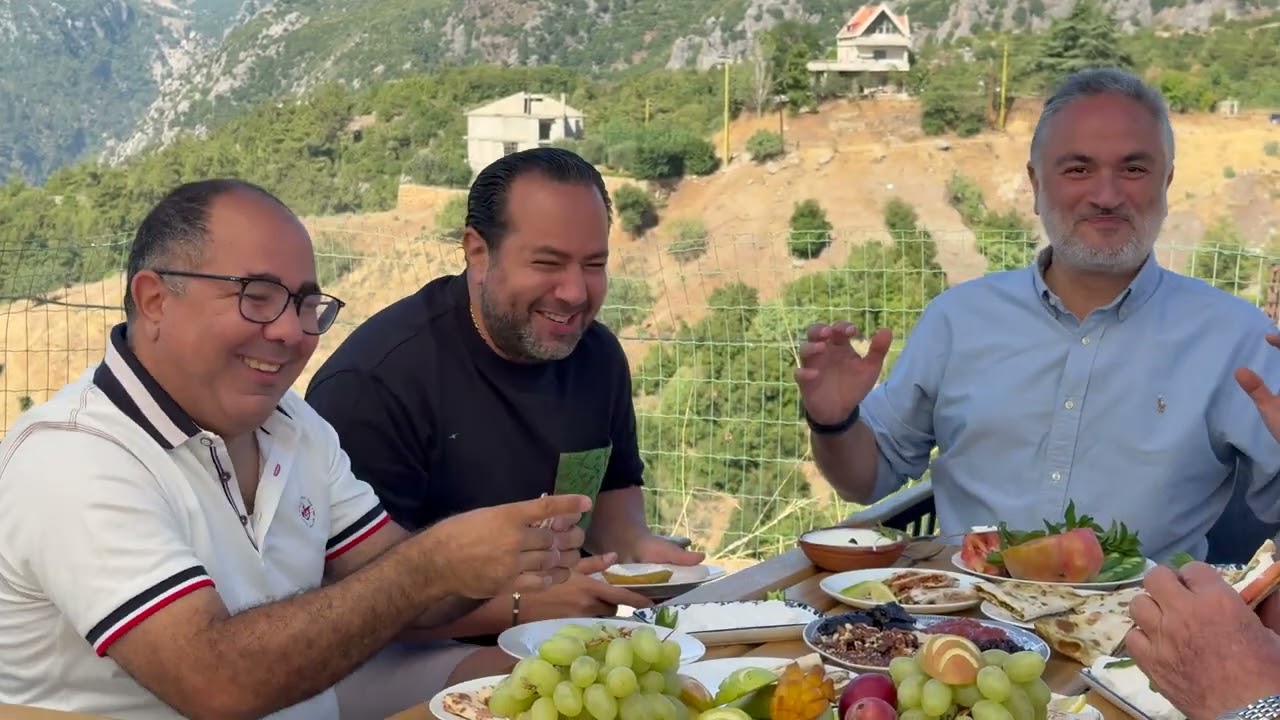
A complete guide to visiting Qartaba -restaurants, guesthouses, trails, and local life.
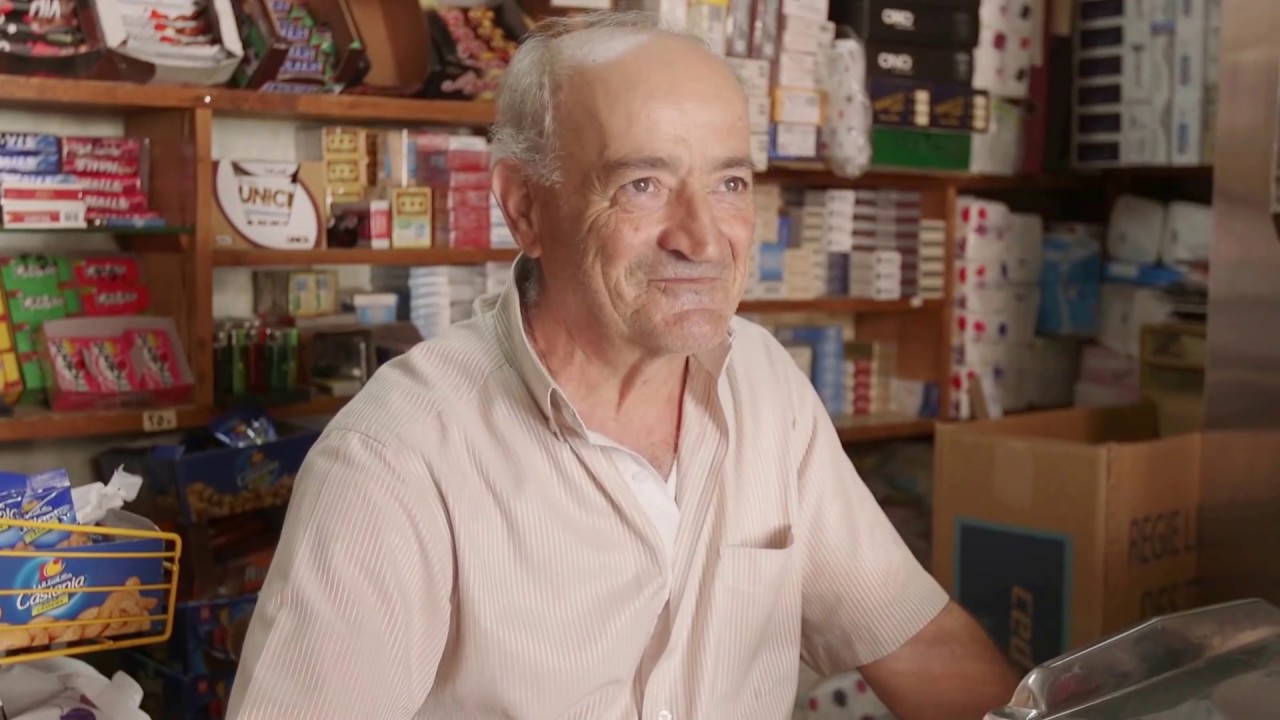
A season in Qartaba at its peak: markets, orchards in bloom, and the mountain air at its finest.
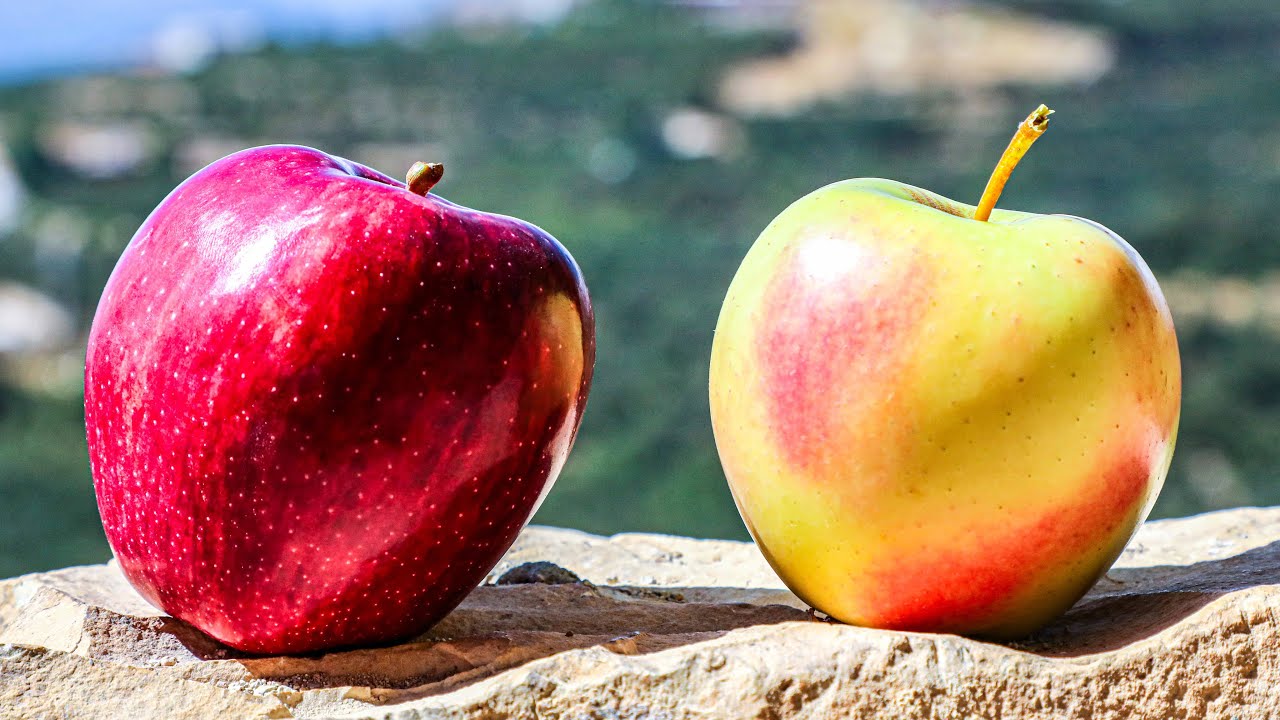
Exploring Qartaba's legendary apple orchards and its beloved local butcher, a village institution.
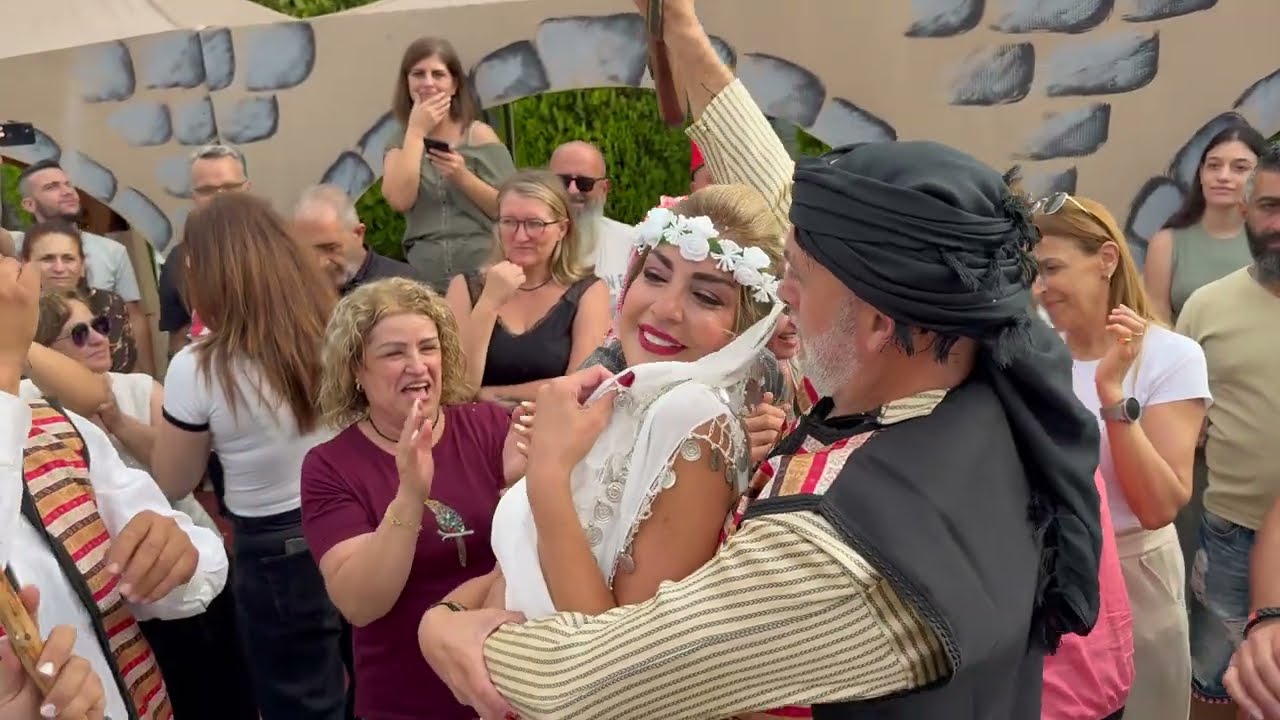
From mules carrying guests to multi-day feasts -a traditional Qartaba wedding filmed in full.
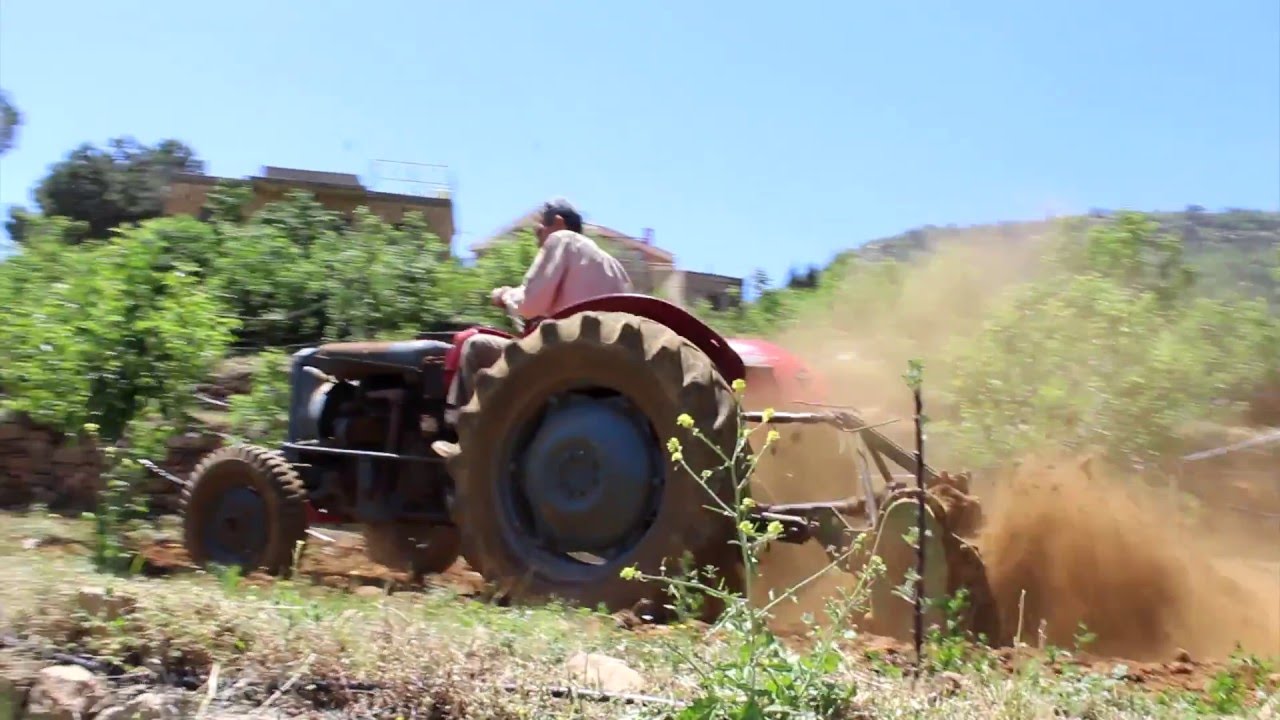
A travel film visiting Qartaba and the nearby Afqa grotto -one of Lebanon's most ancient sacred sites.
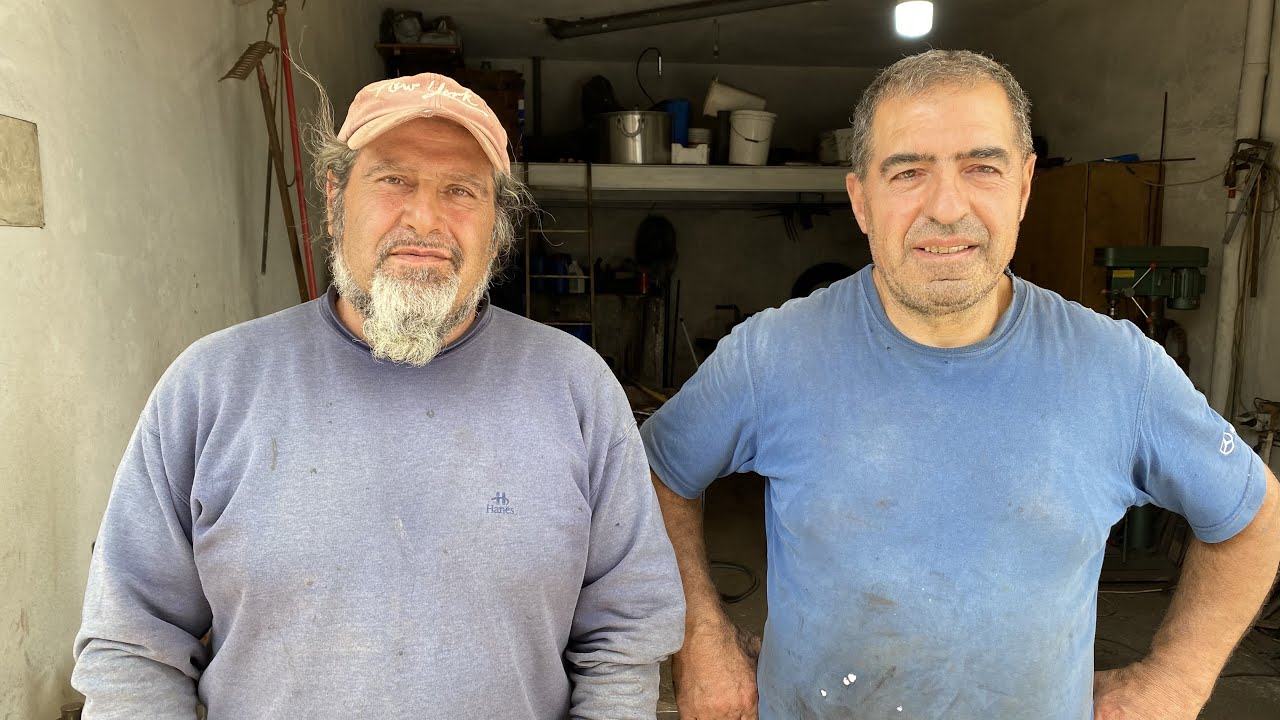
Portrait of Qartaba's last traditional blacksmith, keeping a craft alive that has shaped the village for generations.